Explore Local Coastal Life
Learn about Labuan Jambu and the fishing traditions connected to everyday life around Saleh Bay.
Discover where to see whale sharks in Indonesia, when to visit Saleh Bay, how to plan your journey, and how to enjoy a responsible wildlife experience.
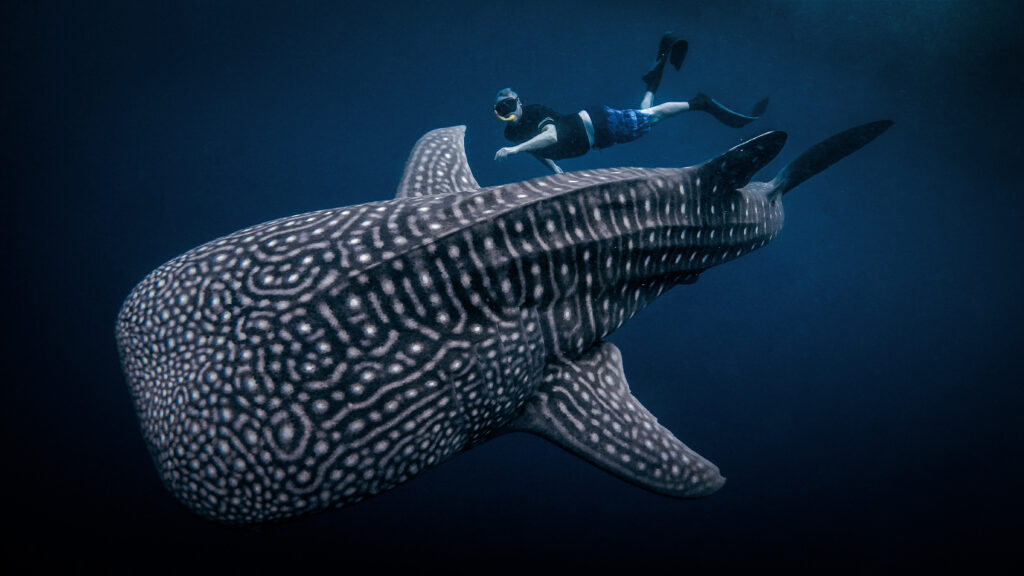
Planning a whale shark trip? Use this guide to find practical travel information, safety advice and responsible wildlife tips.
Swimming with whale sharks in Sumbawa is one of Indonesia's most memorable marine wildlife experiences. In Saleh Bay, near Labuan Jambu in West Nusa Tenggara, visitors may have the opportunity to observe the world's largest fish in its natural marine environment.
Unlike a conventional beach excursion, a whale shark tour usually begins before sunrise. Local boats travel towards traditional fishing platforms known as bagan, where whale sharks may gather while feeding on small marine organisms.
This guide explains where to go, when to visit, how to reach the departure point, what to bring and how to plan a safer, more responsible encounter with these remarkable animals.
Saleh Bay (Teluk Saleh), Sumbawa, Indonesia.
Labuan Jambu village, in the Tarano area.
Usually before sunrise. Confirm your exact meeting time with the operator.
Boat-based wildlife observation, with snorkelling when conditions allow.
Early morning is preferred. Weather and wildlife activity vary.
Whale sharks are wild animals. Sightings cannot be guaranteed.
Planning tip: Consider arriving in Labuan Jambu the day before your tour. This gives you time to rest, confirm your departure and avoid rushing from a long transfer before dawn.
Saleh Bay, locally known as Teluk Saleh, is a large bay on the northern side of Sumbawa Island in West Nusa Tenggara, Indonesia. The main departure point for whale shark excursions is Labuan Jambu, a coastal village in the Tarano area.
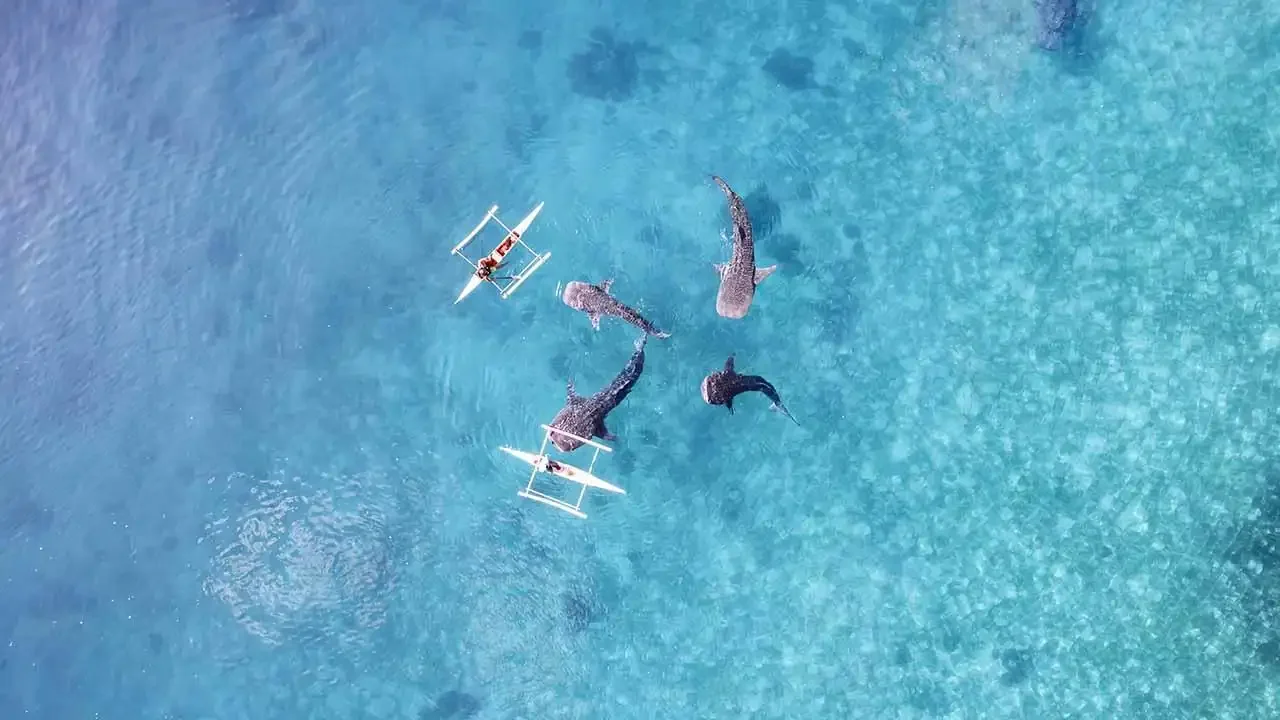
From Labuan Jambu, traditional motorised boats travel across the bay towards fishing platforms where whale sharks are sometimes observed. Their presence varies with feeding activity, environmental conditions and natural movements.
Traditional fishing platforms, known as bagan, use nets to catch small fish and other marine organisms. Whale sharks may approach these platforms when suitable food becomes available in the surrounding water.
This relationship between marine wildlife and local fishing activity has helped make Saleh Bay a destination for wildlife tourism. However, whale sharks are free-swimming animals, not a scheduled attraction. Their presence cannot be controlled.
A trip to Saleh Bay offers more than a chance to see a large marine animal. Visitors can experience the quiet atmosphere of the bay before sunrise, observe traditional fishing activity and learn about the coastal communities connected to this marine environment.
The whale shark (Rhincodon typus) is the largest living fish in the world. Despite its enormous size, it is a filter feeder that consumes plankton and other small organisms rather than hunting large prey.
Wildlife reminder: Their gentle reputation does not mean they are risk-free to approach. Their size and powerful tail movements can cause accidental injuries if swimmers get too close.
Whale shark sightings have been recorded in Saleh Bay throughout the year. However, seeing one on a particular day depends on animal movements, feeding activity, weather and sea conditions. No month guarantees a successful encounter.
Early morning is generally preferred for whale shark excursions. Many tours leave Labuan Jambu before dawn to reach the fishing platforms in the morning. The exact departure and return times depend on the boat, distance and local conditions.
| Travel Period | What to Consider |
|---|---|
| April–June | A possible window for relatively favourable travel conditions, depending on the weather. |
| July–September | Often within the drier season, although actual sea conditions must still be checked. |
| October–November | Conditions can change as the seasonal transition approaches. |
| December–March | Rain and rougher seas may affect departures, but sightings may still occur. |
These are general seasonal travel considerations, not a prediction of whale shark activity. Check the latest weather forecast and departure arrangements with your operator before travelling.
Travel tip: If whale shark watching is the main reason for visiting Sumbawa, consider leaving some flexibility in your itinerary. An additional night near Labuan Jambu can reduce the pressure of travelling long distances for a single activity.
Reaching the whale shark area requires planning because Labuan Jambu is not next to Sumbawa's main airports or major tourist centres. The most suitable route depends on where you are travelling from.
Fly to Sultan Muhammad Kaharuddin Airport (SWQ), subject to available connections, then arrange a road transfer to Labuan Jambu. The drive takes several hours, depending on road conditions and stops.
Best for: Travellers looking for a practical arrival point on Sumbawa Island.
Depending on your itinerary, travel overland and use a suitable public ferry connection before continuing by road to Labuan Jambu. Allow extra time for ferry schedules and transfers.
Best for: Travellers combining Lombok and Sumbawa.
Consider available flight connections through Lombok or another suitable Indonesian airport, followed by onward travel to Sumbawa. Check the complete route before booking.
Best for: Visitors including Sumbawa in a longer Indonesian island itinerary.
If you are exploring Flores or Komodo National Park, consider adding Sumbawa to your wider trip. Ferry connections and boat arrangements require separate planning.
Best for: Travellers planning a multi-island adventure.
Yes. Arriving early provides time to rest, prepare your belongings and confirm the departure details with your operator. It also reduces the risk of missing the boat because of a delayed flight, ferry or road transfer.
If you have an onward flight or an important connection after the tour, allow a generous buffer rather than relying on an exact return time.
Although each operator has its own arrangements, a typical excursion follows an early-morning schedule.
Confirm the departure point, safety arrangements and expected return time. Bring a waterproof bag and any essential personal items.
Travel across Saleh Bay towards traditional fishing platforms. The crew may look for signs of whale shark activity.
If whale sharks are present, observe them from the boat first. Snorkelling may be possible when conditions and safety arrangements allow.
After the excursion, return to the departure point. Confirm your planned return time before scheduling onward transport.
Please remember: Whale shark sightings are not guaranteed. A responsible operator will prioritise safety and wildlife welfare over the pressure to deliver a photograph.
Whale sharks are generally not aggressive towards people, but no wildlife encounter is completely risk-free. Potential hazards include boat movement, waves, currents, fatigue and accidental contact with the animal.
People with basic swimming and snorkelling skills may find the experience accessible when conditions are suitable. You do not need to be a professional diver, as these excursions generally involve surface snorkelling rather than scuba diving.
Tell the operator about your swimming ability before booking. If you are uncomfortable in open water, you may prefer to observe from the boat when this option is available.
Non-swimmers may be able to join the boat trip without entering the water, depending on the operator's arrangements. Ask about the available safety support and whether remaining on the boat is possible.
Important: A life jacket improves flotation but does not replace swimming ability, supervision or a proper safety assessment. Always follow the skipper's instructions.
Responsible wildlife interaction protects whale sharks and visitors. Follow current Indonesian regulations, local guidance and your operator's safety briefing throughout the excursion.
Maintain the minimum distance required by local regulations and your guide. Never move closer just to capture a photograph.
Do not touch, grab, ride or hold onto a whale shark. Contact can cause stress and may damage its protective skin.
Never swim directly in front of a whale shark or surround it. Allow the animal to move freely and leave when it chooses.
Avoid flash photography and keep cameras under control. Never compromise safety or wildlife welfare for a picture.
Fishing platforms are working structures. Follow the crew's directions and avoid interfering with fishing equipment or activities.
Use reusable bottles where practical and bring all rubbish back to shore. Never discard plastic into the sea.
The golden rule: Let the whale shark decide whether to remain nearby. If it moves away, do not pursue it.
Preparing the right equipment makes an early-morning excursion more comfortable. Check with your operator to confirm which items are already included.
Confirm equipment inclusions and safety requirements before departure.
What should you avoid bringing? Leave unnecessary valuables and bulky luggage at your accommodation where secure storage is available. Avoid single-use plastics and anything that encourages you to approach or touch wildlife.
The ideal duration depends on your travel style, available time and whether you want to explore beyond Saleh Bay.
A short excursion for travellers already staying near Labuan Jambu or arriving in time for the early-morning departure.
Best for: Travellers with limited time and transport already arranged.
A practical option that can allow time for arrival, an overnight stay, the boat excursion and onward travel, depending on the package.
Best for: Couples, friends and independent travellers.
More flexibility for a relaxed itinerary, rest between journeys and additional experiences in Sumbawa.
Best for: Travellers who want a broader island experience.
Choose an itinerary that allows you to arrive comfortably, enjoy the experience safely and continue your onward journey without rushing. Wildlife sightings are never guaranteed, regardless of the number of days booked.
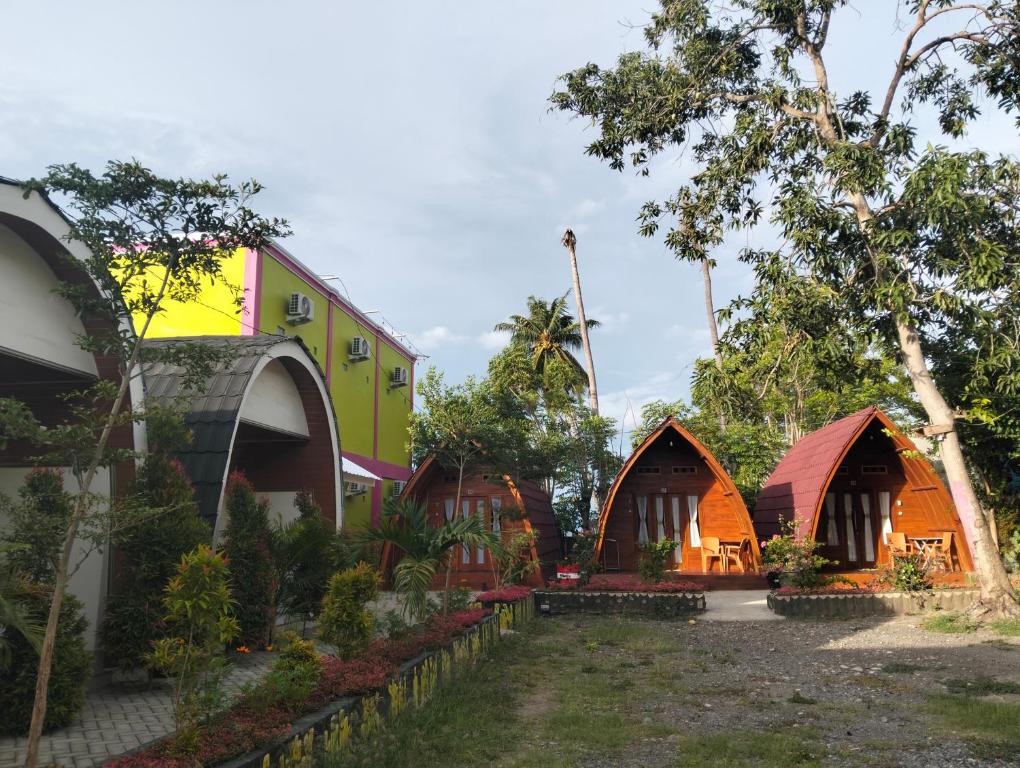
Labuan Jambu is the most practical base for travellers joining an early-morning excursion from the village. Staying nearby can reduce the need for a long drive before dawn.
Accommodation options may be more limited than in larger Indonesian tourist destinations. Confirm your room, meals and transport directly with the accommodation provider or your tour operator.
The operator you choose can influence the quality, comfort and environmental responsibility of your experience. A good tour prioritises safety, clear communication and respectful wildlife observation rather than getting as close as possible to an animal.
Confirm whether the boat, guide, equipment, meals, drinking water, accommodation and transfers are included.
Ask for the exact meeting point, check-in time, expected duration and return arrangements.
Ask about postponement, cancellation and refund policies before making payment.
Ask the operator to explain its wildlife sighting policy. Do not assume a refund or repeat trip is included.
Confirm the availability of life jackets, snorkelling equipment and assistance for passengers who need help.
Ask about approach distances, swimming rules, group management and responsible wildlife practices.
A knowledgeable local team can help you understand departure arrangements, coordinate with the boat crew and plan the practical details of your visit. Booking locally can also create opportunities for tourism spending to benefit the community.
Choose an operator that communicates transparently, explains the limits of wildlife encounters and puts safety ahead of photographs.
Yes. If you have extra time, consider planning a wider trip around your interests and available transportation.
Learn about Labuan Jambu and the fishing traditions connected to everyday life around Saleh Bay.
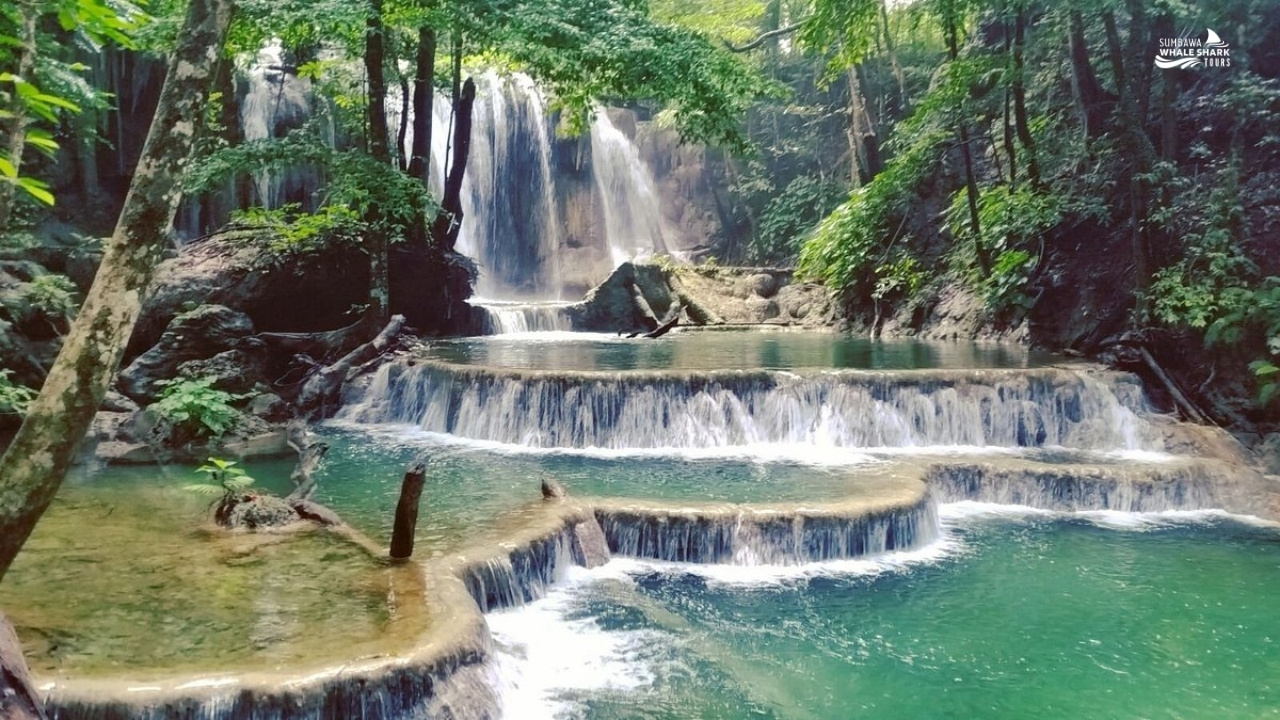
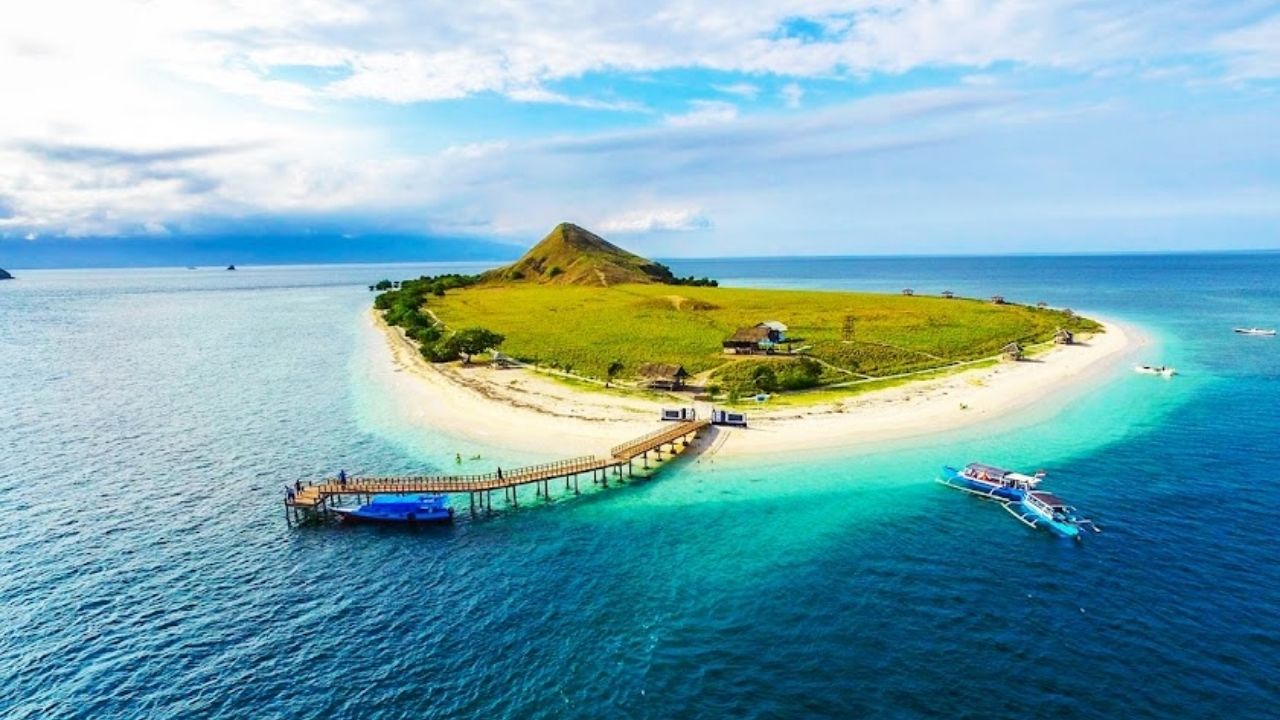
Consider beaches, coastal scenery and nature excursions when planning a longer Sumbawa itinerary.
Explore a very different side of Sumbawa with a separate outdoor adventure and suitable transport arrangements.
Itinerary tip: Do not schedule a long road journey, demanding hike or connecting boat immediately after your whale shark tour without allowing enough time for delays.
Whale shark tourism creates opportunities for visitors to appreciate marine wildlife while supporting local tourism services. It also brings responsibilities.
Whale sharks are vulnerable to human impacts, and their long-term protection depends on effective management, research, responsible tourism and community participation.
Responsible travel is not about guaranteeing a perfect wildlife encounter. It is about ensuring that the experience respects the animals, the marine environment and the people who live alongside it.
Find answers to common questions about whale shark tours, transportation, safety and travel planning in Saleh Bay.
Saleh Bay (Teluk Saleh), near Labuan Jambu in West Nusa Tenggara, is the main destination for whale shark excursions in Sumbawa.
Tours generally depart early in the morning. Whale sharks may gather around fishing platforms during feeding activity, but sightings depend on natural conditions.
April to November can be a useful general travel window to consider, although weather varies and whale sharks may be observed outside this period. Check current conditions before booking.
No. Whale sharks are wild animals, and their movements cannot be controlled. A responsible operator should never guarantee that you will see one.
The excursion usually takes place in the early morning, but the total duration varies with the departure point, sea conditions and time spent observing wildlife. Confirm the schedule with your operator.
The experience can be conducted responsibly, but risks remain. Follow your guide's instructions, maintain the required distance and never touch or block the animals.
Non-swimmers may be able to observe from the boat. Entering the water should only be considered when the operator confirms that appropriate safety support is available and conditions are suitable.
No. The usual experience involves observing whale sharks from a boat or snorkelling near the surface. Scuba-diving certification is not normally required for this type of excursion.
This depends on the operator's minimum-age policy, boat arrangements and sea conditions. Confirm child-safety provisions before booking and supervise children throughout the trip.
Wear swimwear under comfortable clothing and bring a towel, dry clothes, sun protection and a waterproof bag. A light layer can be useful during the early-morning boat ride.
Inclusions differ between packages. Ask whether masks, snorkels, fins and life jackets are provided before bringing your own equipment.
You may be able to observe them from the boat if they approach the surface. Visibility and animal behaviour vary, so an above-water sighting is not guaranteed.
Private arrangements may be available depending on your dates, boat availability and the operator's services. A private tour can offer greater flexibility in logistics but cannot guarantee a whale shark sighting.
Travellers can plan a combination of flights, road transfers and, where appropriate, ferry connections. The best route depends on current schedules and your starting point.
Staying nearby before the excursion is often convenient because departures take place early in the morning. It also reduces the pressure of travelling long distances immediately before the trip.
The skipper and operator should assess the conditions and prioritise passenger safety. Departures may need to be delayed, changed or cancelled. Ask about the applicable policy before booking.
A whale shark encounter in Saleh Bay offers an opportunity to experience one of Indonesia's remarkable marine environments while learning about local communities and wildlife conservation.
Arrive with enough time, confirm your transport and accommodation, prepare for an early departure and choose an operator that respects both its passengers and the animals.
At Sumbawa Whale Shark Tours, we help travellers plan their journey to Saleh Bay based on their travel dates, group size and itinerary.
Discover a practical itinerary for a short whale shark experience in Sumbawa.
View TourExplore a more relaxed itinerary with additional time for your Sumbawa adventure.
View Tour
Plan your wider island journey with local travel advice and practical arrangements.
Explore SumbawaTravel responsibly. Respect the wildlife. Discover Sumbawa beyond the ordinary.